At first look, a person who knows what they are talking about is indistinguishable from someone who only thinks they know what they are talking about.
Category: The Heretic’s Guide to Fibs, Lies, and Fake News
Christians call the ability to spot deception discernment. Whatever you call it, spotting scams, lies, and fakery is a great skill to have.
Reading only websites that you agree with
Reading only websites that you agree with and calling it research is the intellectual equivalent of sucking your thumb. Sure, it’s comforting, but it is something you will have to grow out of before anyone will take you seriously.
Identify their bias
Before adding an exciting new heresy to your collection, you should try to identify the bias of the one giving it to you. They may have something other than ideas they are really trying to push. You should know what that is before you jump in.
Identifying the bias of your sources is not always easy. It takes practice and leads to something some people call discernment.
- Here’s a short guide on identifying bias
- Here’s a list of 14 bias types
- Here’s a guide about bias in the media
I didn’t write any of these. I just found them with a quick search.
Reply with your bias identification tips.
If you don’t like to think a lot about your decisions because you depend on gut feelings, heresy is not for.
Heretics question established wisdom just as they question new ideas – both could be wrong.
If you prefer gut feelings over clear thinking, heresy is not for you.
To avoid deceptions and find fresh heresy you have to work out your own answers.
If you always defer to other people, thinking might not be for you.
Those selling lies rarely cite their sources
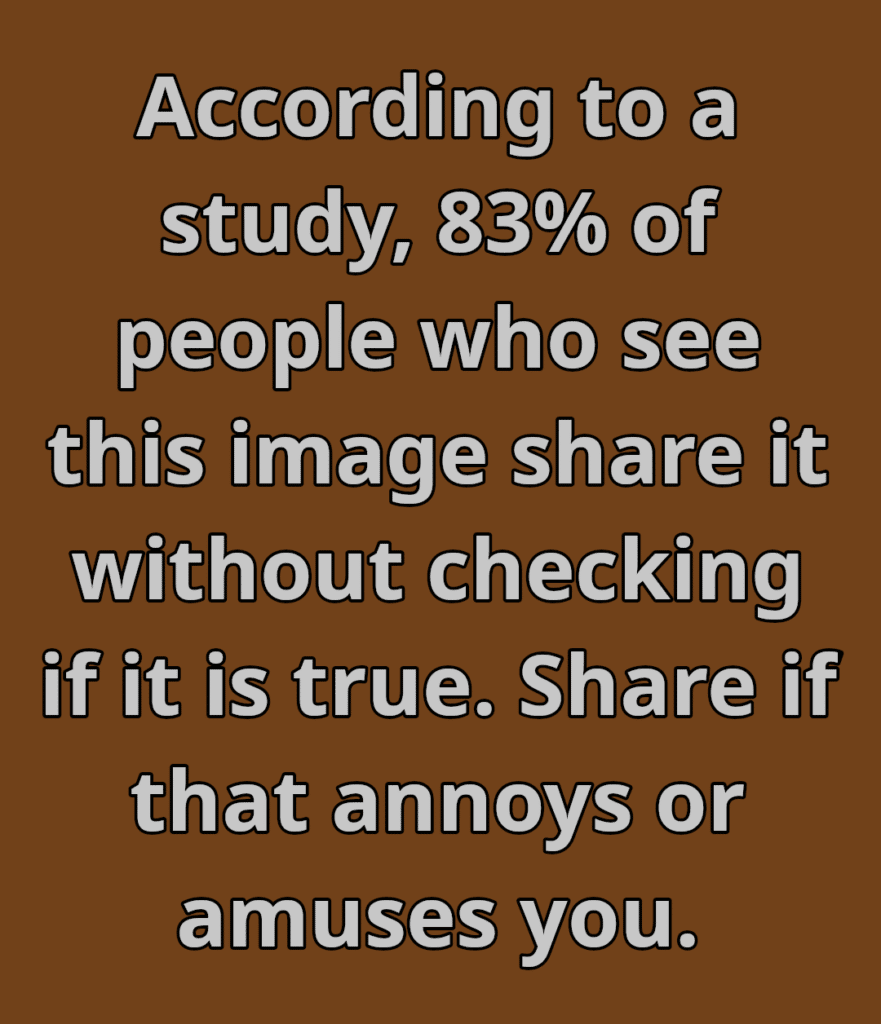
Just because some text on an image says it, doesn’t make it true
If you prefer being given the correct answers rather than figuring them out yourself, heresy is not for you.
Research that is just reading websites that agree with you is not research
What are they selling?
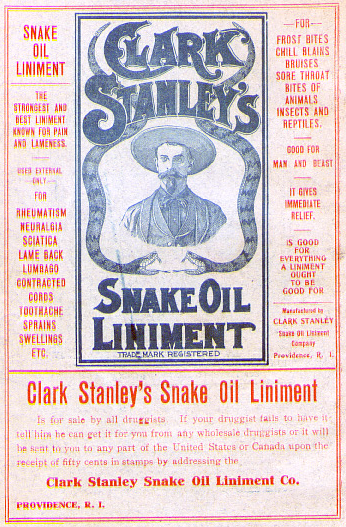
Some people will come to us – the wonderful heretics – with words that feel right. They may tell us things are not as they are. Then they will offer to sell you something better. If they are selling something, it may be snake oil, so apply some of that doubt you have been saving up before you and your money are parted.
The “What are they selling?” test is a good one for spotting deception and misleading articles (aka fake news).
Often, deceivers come to you in a white hat, claiming to help, and promoting the truth “they don’t want you to know”. They will claim that established organisations – big pharma, for example – are suppressing the truth. That is when you notice that this narrative supports whatever it is that they are selling.
What they are selling might be literal snake oil, but can as easily be a political party, an agenda, extremism, fear, their special blend of essential oils, or anything else that is not in your interests at all.
To discern the fibbers, look for what it is they are selling.
Snake Oil
The wise heretic should be able to spot the fakery of the snake oil salesman. I bring this up now as understanding snake oil is key to becoming an advanced and remarkable heretic.
Snake oil is a term used to describe deceptive marketing, health care fraud, or a scam. Similarly, snake oil salesman is a common label used to describe someone who sells, promotes, or is a general proponent of some valueless or fraudulent cure, remedy, or solution.The term comes from the “snake oil” that used to be sold as a cure-all elixir for many kinds of physiological problems. Many 18th-century European and 19th-century United States entrepreneurs advertised and sold mineral oil (often mixed with various active and inactive household herbs, spices, drugs, and compounds, but containing no snake-derived substances whatsoever) as “snake oil liniment”, making claims about its efficacy as a panacea. Patent medicines that claimed to be panaceas were extremely common from the 18th century until the 20th century, particularly among vendors masking addictive drugs such as cocaine, amphetamine, alcohol, and opium-based concoctions or elixirs, to be sold at medicine shows as medication or products promoting health.
Snake oil, Wikipedia